By Maia Irvin
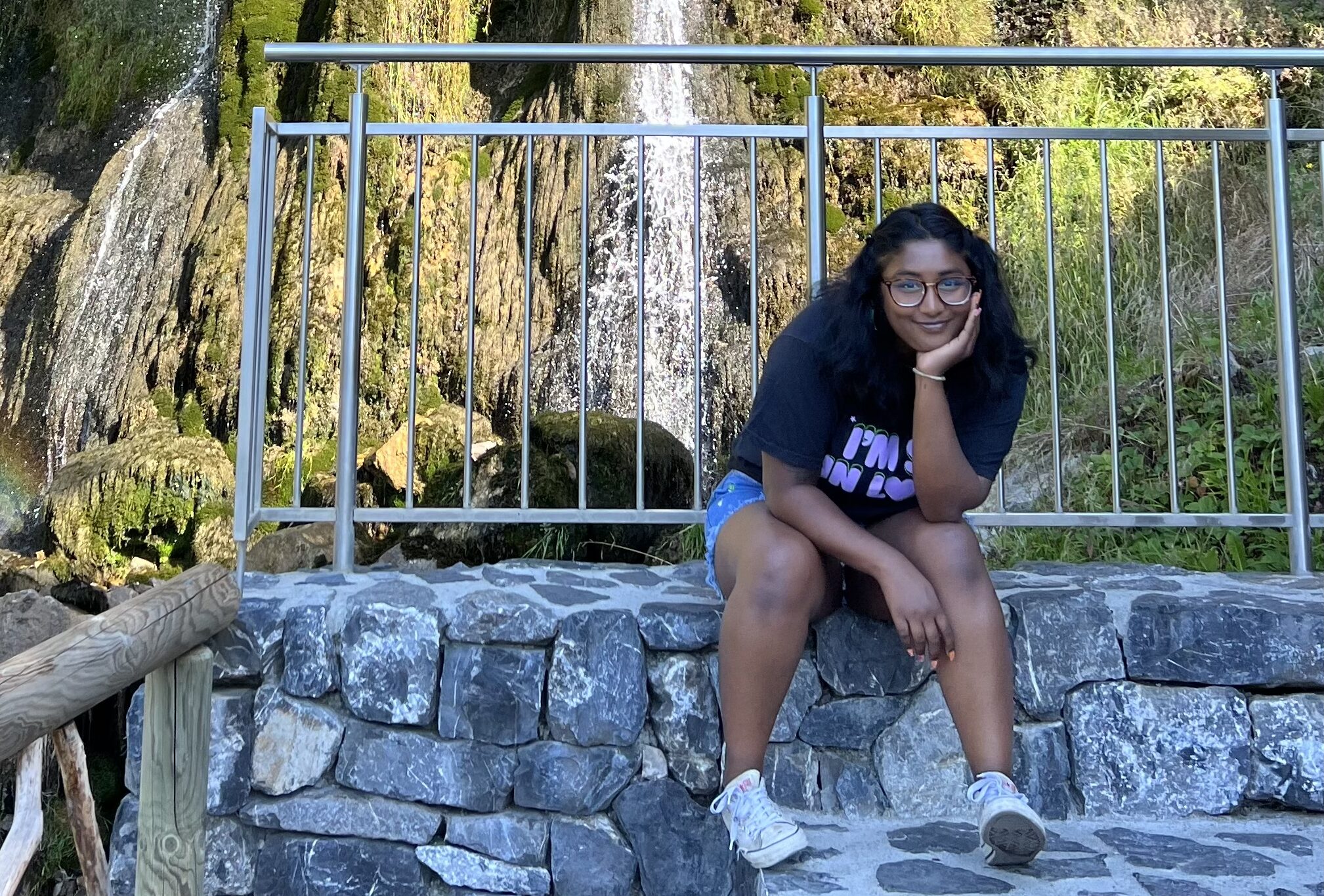
When Arthi Jegraj came to the University of Minnesota, they had a difficult time transitioning from their diverse high school in California to a majority white campus, so they searched for a community through student groups.
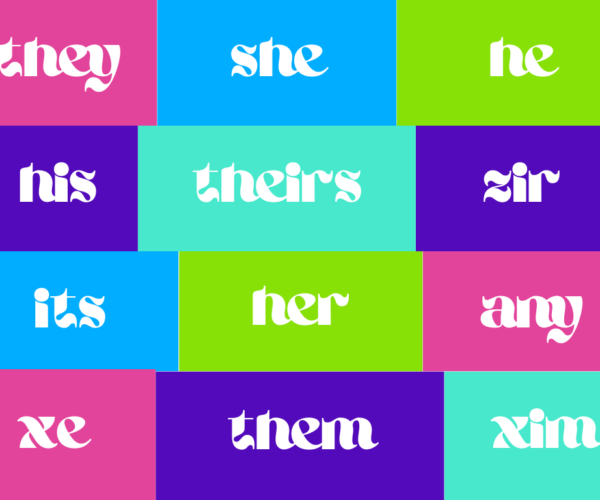
Jegraj, who uses she and they pronouns, said the Queer Student Cultural Center (QSCC) stood out to them more than other groups because of its welcoming atmosphere. The QSCC is a cultural center dedicated to providing a safe space for students of LGBTQ+ identities on campus.
“It’s come as you are,” Jegraj said, ”We accept you, and we love and cherish you.”
The QSCC also provided Jegraj with a community that fit the intersections of their identity through Roots, one of the center’s identity groups. The QSCC has nine active identity groups that encompass specific identities within LGBTQ+ communities, and Roots is a group for queer-identified students of color.
“In the Indian community, I’m a little too queer for them, and in a lot of queer spaces, I’m a little too brown for them,” Jegraj said. “Having a group that’s intersectional to begin with is groundbreaking.”
Roots gets a new facilitator
Jegraj, a junior, became Roots’ new facilitator a few weeks into the spring semester because the group needed a new leader. Roots held its first meeting of the semester, which was a casual tea party, on Feb. 6.
Facilitators are QSCC board members who run at least one of the identity groups by coordinating events, activities and discussions, the center’s Marketing Manager Alexander Lucas said. Each identity group requires at least one facilitator to function.
Lucas, who uses he and they pronouns, said a few facilitators left after fall semester, causing those groups, including Roots, to go on hiatus until new facilitators were found. They said it can be “disheartening” when groups do not have a facilitator because the identity groups create community for many students.
Jegraj said part of the reason why they wanted to be a Roots facilitator was to diversify QSCC’s leadership because the board is majority white.
“There’s not a lot of us [people of color] that are queer and open and comfortable facilitating difficult discussions … so I felt like this would be a good space to open up a conversation,” Jegraj said.
Jegraj said so far, they have enjoyed facilitating Roots because they have been able to meet new people, create a comfortable space and have fun while also discussing difficult topics. Jegraj said one of their goals for Roots is to start discussions about language.
“How we perceive it and use it and how white and hetero-centered it is because I feel like that’s been a big part of my learning about queer history and what it is like to be a person of the global majority,” they said.
Roots now meets every other Tuesday at the QSCC, which is located on Coffman Memorial Union’s second floor. The organization’s website posts a schedule of when all of its identity groups meet.
After nearly 55 years, the QSCC is here to stay
A group of students originally started the QSCC in May 1969 under the moniker F.R.E.E. (Fight Repression of Erotic Expression). After undergoing several name changes throughout the decades, the group became the QSCC in 1998 to highlight its focus as a community resource, according to University archives.
“We want to serve as a space for queer students … on campus through our space and through our events and activities,” Lucas said.
Lucas, a sophomore, became involved with the QSCC during their first year at the University. They said having the organization on campus is important because it provides students with a space where they can feel safe and be around people with similar identities.
“Students can come together and have fun and be queer,” Lucas said. “It’s important for the University and the campus community to know that we exist and all of these identities exist, and we’re going to create spaces for them to come together, and we’re going to continue to do that.”
Jegraj said having the QSCC on the student union’s second floor with the other campus cultural centers shows that this group for marginalized identities is not going anywhere.
“A lot of people don’t think we have history just because you have to go out of your way to find it,” Jegraj said. “We’re permanent … our existence is revolutionary, and you can’t take it away from us.”