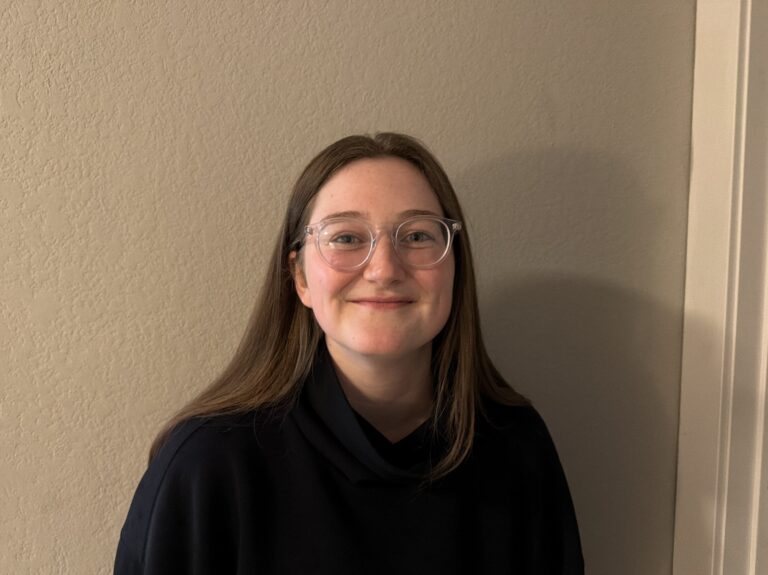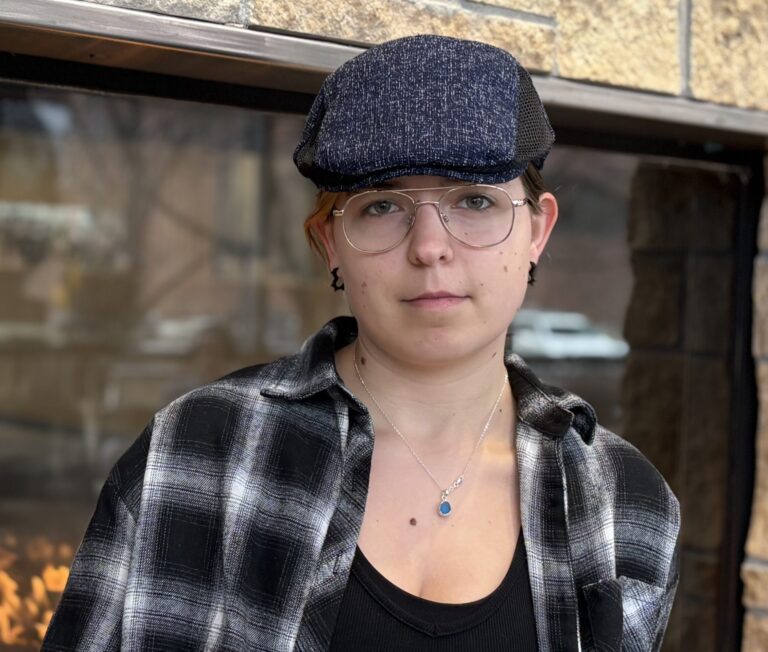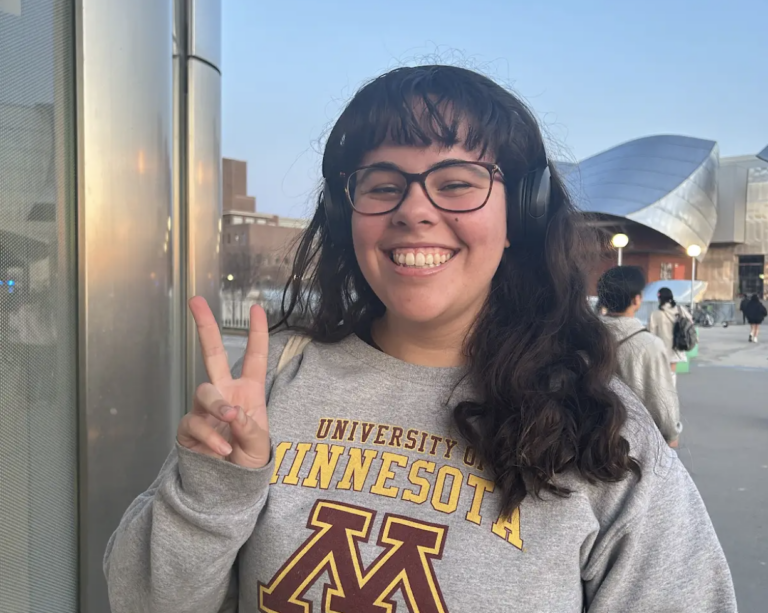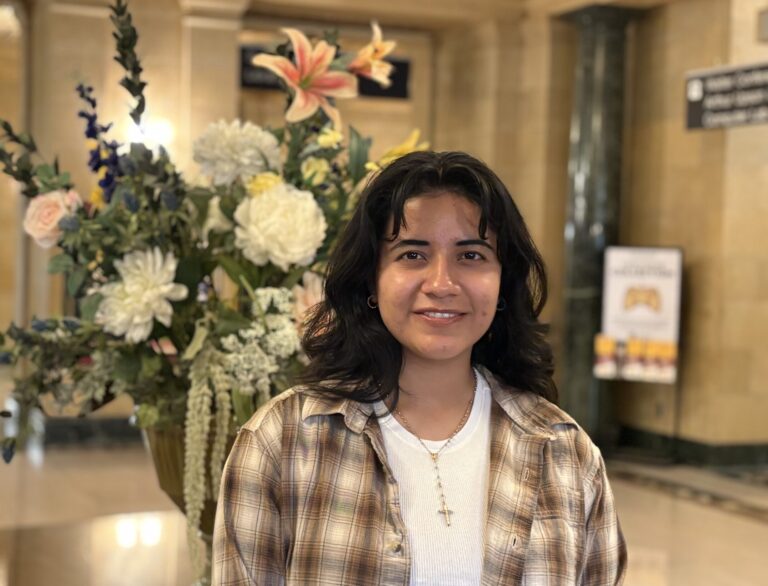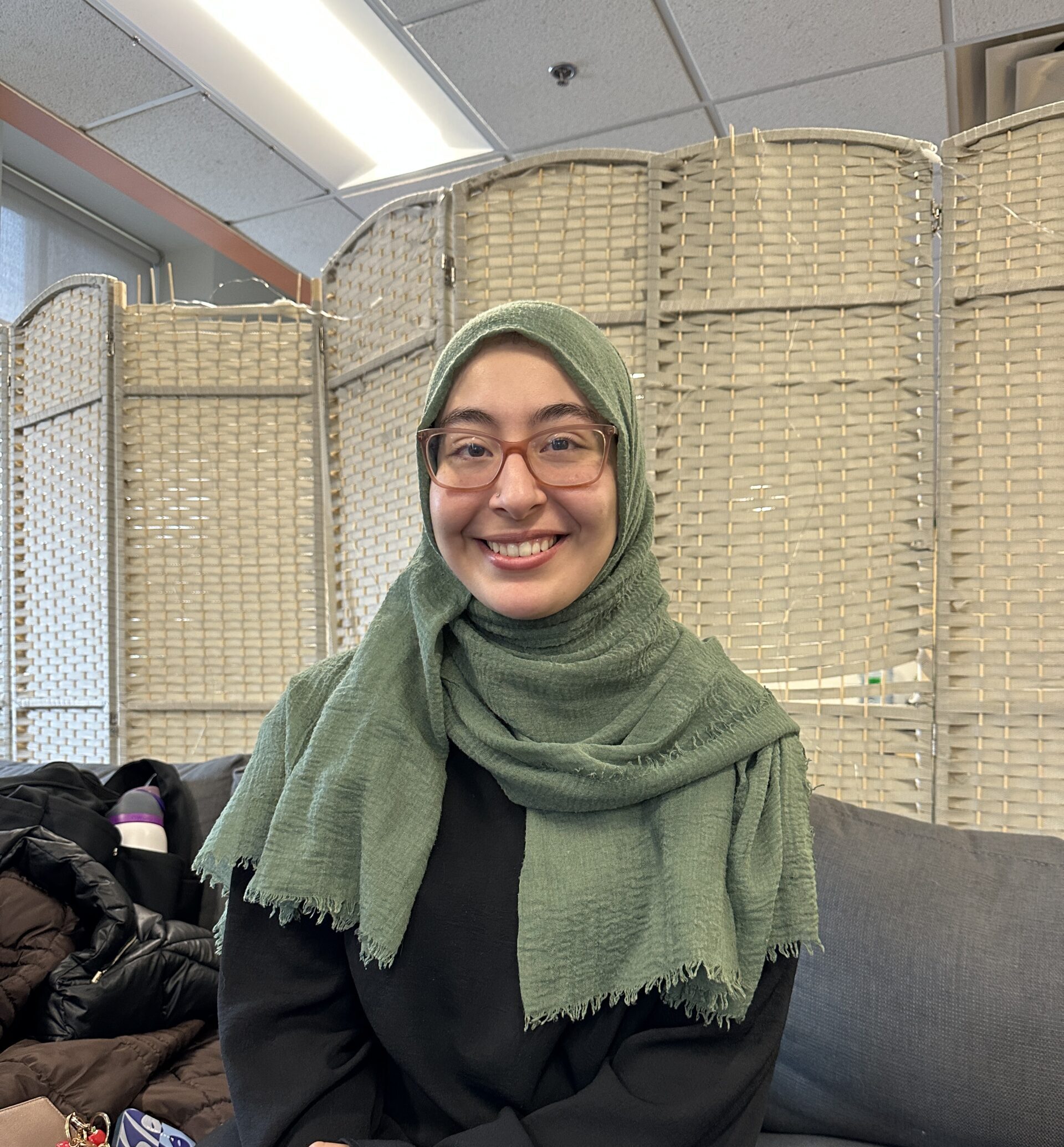
Buthaina Asamarai: ‘It’s kind of built a sense of unity.’
Buthaina Asamarai is a fourth-year student majoring in elementary education at the University of Minnesota and is the current president of the Al- Madinah Cultural Center.
“So initially I was planning on the community college route, but I had gotten into Carlson, and at the time I really wanted to go into marketing, so I ended up convincing my dad that this was maybe not the most financially smart decision, but it would be kind of better in the long run career-wise. So we compromised.
“I don’t think, personally, I’ve had too much of an experience. It’s been more just seeing the headlines and thinking about safety, especially as president, and what that means for us. I think seeing the lack of a response from the University kind of made me wonder. We’ve already had issues with the administration looking out for us, especially with the security issue that happened earlier in September. So I think it just made us think a lot more about what we would do and our internal protocol. We can have separate security precautions outside of what the U of M tells us or doesn’t because they haven’t said anything. We check in with our members quite a bit. We also let them know, if you ever feel unsafe, close the doors. If someone feels like ‘Oh, this person kind of feels out of place’, we have a Discord channel, and just let us know. And we’re always here. If you want to take your classes online, just communicate with us. Coming out of winter break, we had our gala that week, and it was a long conversation as an executive team of how do we get security. Do we trust security? Who from the university can we even trust to give us somebody? Because if they give us UMPD, for example, it’s not a guarantee that they’re there to protect us. So it was a bigger discussion of should we have late-night events without thinking about security or, how can we ensure that all of our people are safe? And I know it was even a discussion about possibly rescheduling our gala.
“I think it instilled doubt in a lot of people, which I think in a lot of ways is good, because I think a lot of people were on autopilot, or they weren’t thinking, or it was like they felt they had the privilege not to have to think. But I think because this is an issue that now also affects non-minorities, it has become everybody’s issue. So in that way, it’s kind of built a sense of unity. But I think it also made people question things. I think you should always question authority, not just trust blindly, so in that sense, I think it did build community. But also, in no means was it good.”
This interview has been edited for length and clarity.
Interview by Hannah Reynolds