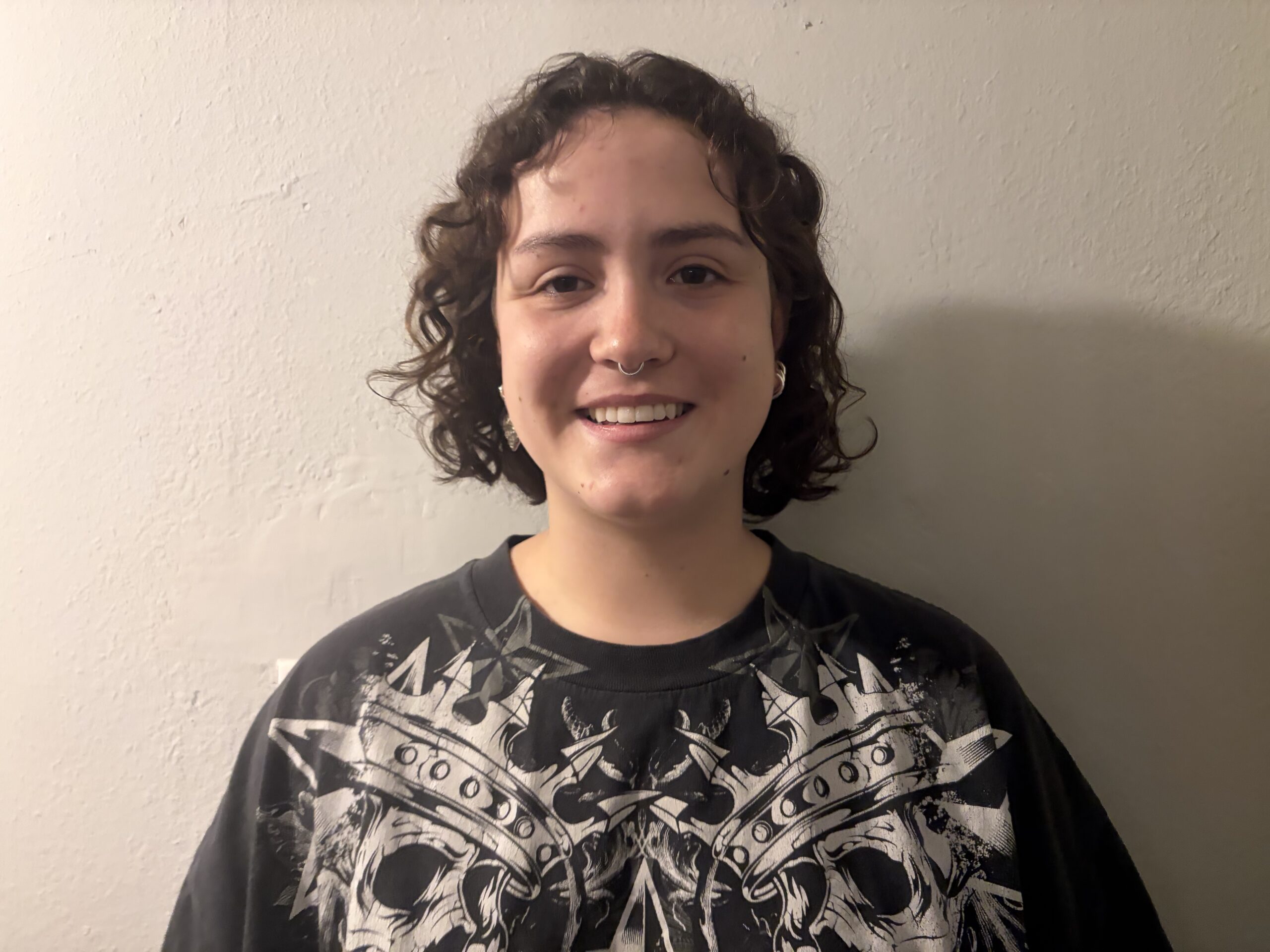
Isabella Crotteau: ‘People are really getting connected’
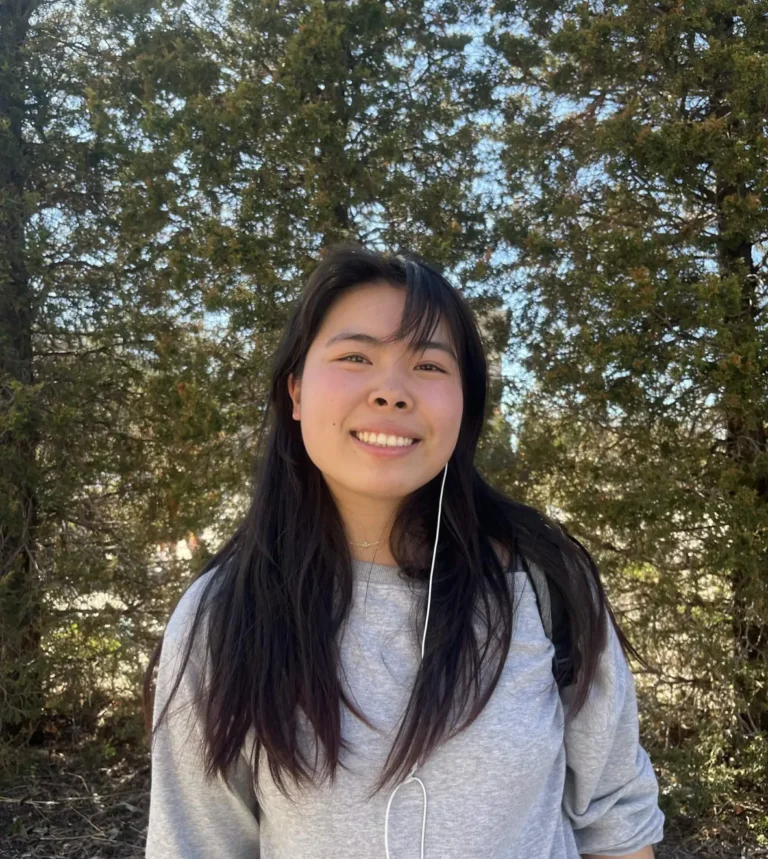
Isabella Crotteau is a senior transfer student and urban studies major at the University of Minnesota.
“I grew up in South Minneapolis, and I lived here my whole life. [Operation Metro Surge] was super evil to me and unlawful and unconstitutional, and it really affected my workplace outside of the U. Work was very stressful and hard for me, and I’m sure even harder for my coworkers. I work at yum! Kitchen and Bakery in St. Paul. One of my coworkers actually got taken very quickly after the operation started, and he was gone for a few weeks, and everyone was just scared to come in. He just returned to work two weeks ago. He seemed extremely shaken up. I still don’t think he’s doing OK. Someone from the restaurant community started a GoFundMe for him so he could get an attorney. I don’t want to speak completely about his experience because he only told me during my shift, but it sounded really evil and inhumane, and I feel horrible for him. He was someone with legal status, too. I don’t believe he had his documentation when he got taken. He was just going from his house to the grocery store.
“Then when classes started, it felt very unfair that some students could go to campus — like myself — very easily, and others weren’t able to. It was this weird segregation kind of feeling where some people were online, and some people were in person. I had a modality change for the first week, and all of my classes still have online options, and a few people from each class will join online still.
“I think that some of the livelier parts of the city have gotten quieter. I don’t see as many Hispanic people and Somali people out and about and even coming into my work. I feel like campus is a little quieter, at least it was for a while. That first week felt super eerie, where I feel like the campus is one of the liveliest parts of the city. My parents live in South Minneapolis, and I know that they also felt very unsafe in their area, even as white people. They were scared for their neighbors. Additionally, I think it reminded a lot of people who were still here during George Floyd of some of those memories of state brutality against people.
“But at the same time, I think it has strengthened our community in some ways, and there’s a lot more mutual aid going on that’s been needing to happen for a long time, and a lot more support for our neighbors. People are really getting connected, which I feel is hard, especially in places like Como and Dinkytown where people are moving in and out all the time. I feel like maybe people are trying to make more connections with their neighbors, so that’s good.”
This interview has been edited for length and clarity.
Interview by Eleanor Steffen