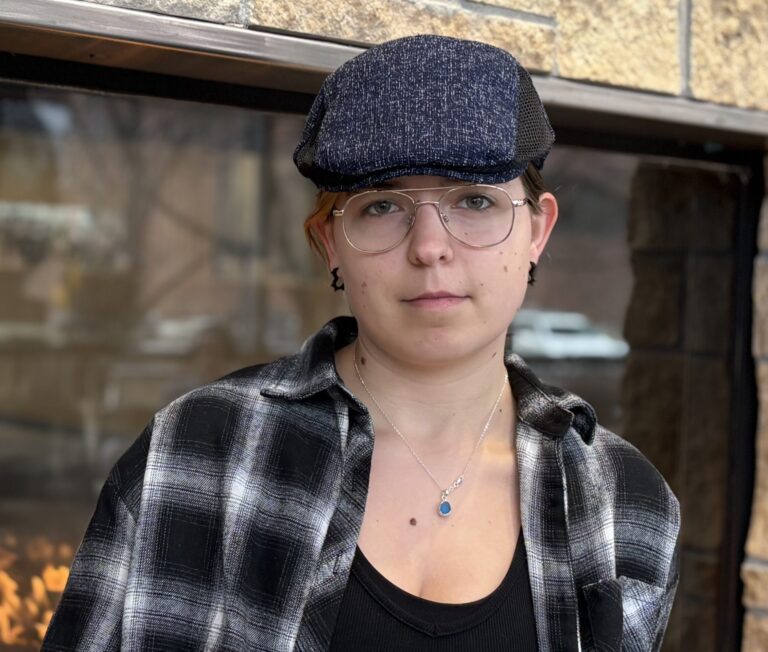
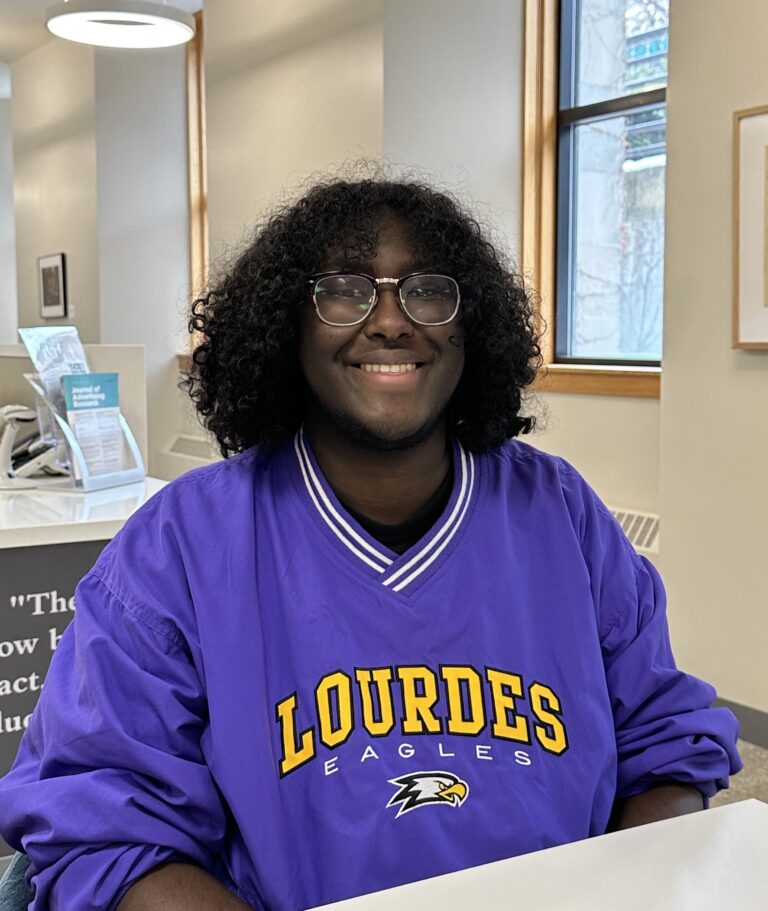
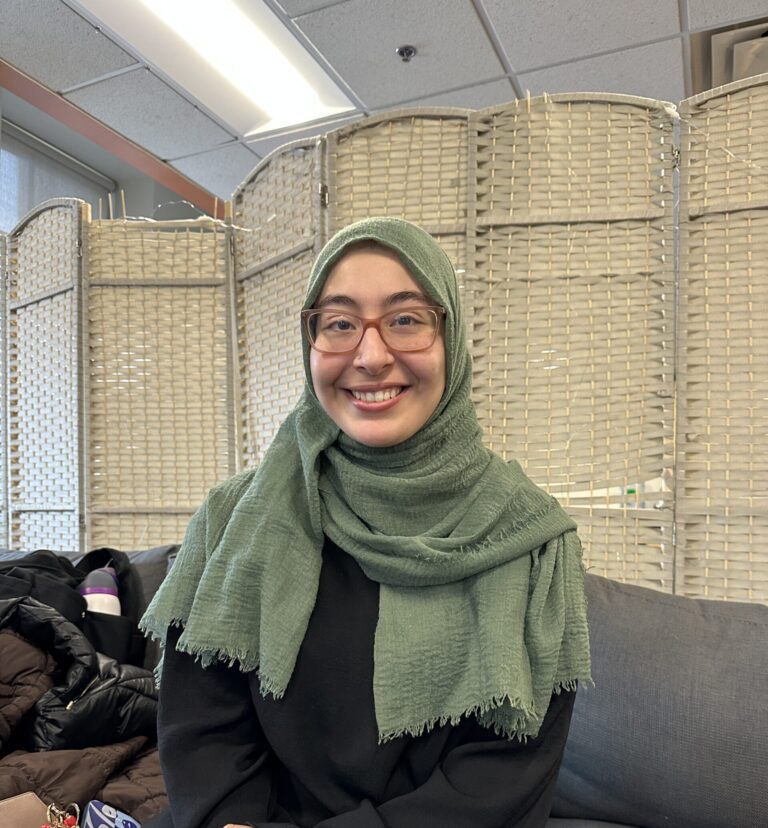
Danny Sibri: ‘We’re in the struggle together.’
Danny Sibri is a second-year student at the University of Minnesota and an Ecuadorian American. He requested his first name only be used for reasons of personal safety.
“I’m religious. I go to church every Sunday, and usually the service is pretty packed, or at least past halfway packed. When it [Operation Metro Surge] all started occurring in late December, early January, there were almost a handful of people going to church. Service was really empty. It looked almost ominous and depressing. It felt like it was Covid all over again. My church, it’s a Spanish service, so a majority of the people who come to the service are Ecuadorians. Some of them are undocumented, some are legal residents and some are U.S. citizens like me.
“My family started worrying about what it would mean for them, and I usually see my extended family twice a month. All throughout January, and even till now, I haven’t seen them.
On top of that, my friend who works at a restaurant, a majority of the staff are not U.S. citizens, was telling me a similar story. A lot of people at the restaurant didn’t want to go to work, couldn’t go to work. They were fearing for themselves being captured, taken away from their own families, simply just by being here in the United States undocumented, and, you know, they’re not doing anything bad. They’re going to work. They’re not running a criminal enterprise.
“I realized you can’t really tell if I’m a citizen myself, based on their [ICE] own metrics. I could be pulled over for any reason. One of the reasons could be the color of my skin, could be my ethnicity. It could be the way I speak if I have a small little accent. It felt a little weird, but in a way, I could relate to other students, other Hispanic students, and minority students. I would have conversations with my peers in class and with one of my coworkers, actually, we pulled out our passports. We were talking about being safe, and I was like, ‘Yeah, I have my passport on me,’ and then she pulled out hers, and we were just laughing. Obviously it’s not funny in hindsight, but it’s like, I guess we’re in the struggle together.
“I went out and protested as much as I could, but the community response has been really good. And we had to start this protocol at my church where if one of the watchdogs spotted ICE, the whole church would go on lockdown, and we had to stay inside in the basement until everything cleared.
“It was really inspiring to see a group of people who agree with you, make you feel safe, make you feel heard and welcomed. I felt like I wasn’t an Ecuadorian-American. I felt like I was a community member of Minneapolis. I felt like an actual human being, and I felt part of something. I must have underestimated my community a lot. It’s really great to see people come out and unite.”
This interview has been edited for length and clarity.
Interview by Wren Warne-Jacobsen