RecWell sees early semester attendance decline amid ICE uncertainty
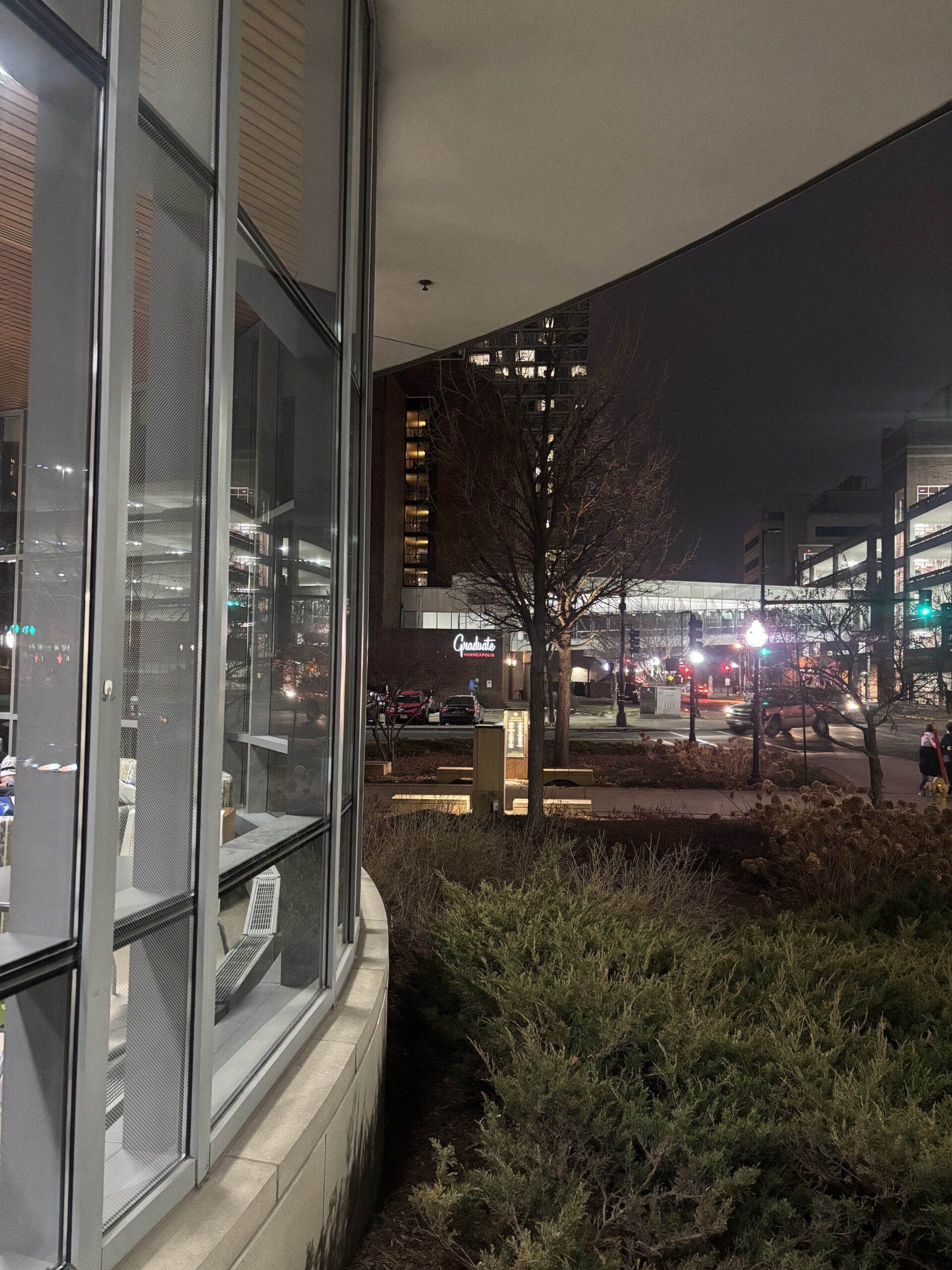
Some students changed their routes to the UMN RecWell after ICE was rumored to be staying at the Graduate hotel nearby.
On a cold January night, Jeffery Chen sat in his apartment playing video games instead of heading to the basketball court on campus, as he usually did.
Chen and his teammate, Shawn Li, were supposed to play their first intramural basketball game of the semester at the University of Minnesota’s Recreation and Wellness Center, but they decided not to go.
“We didn’t even think about risking it,” Chen said. “It was disappointing, but it felt like the right decision.”
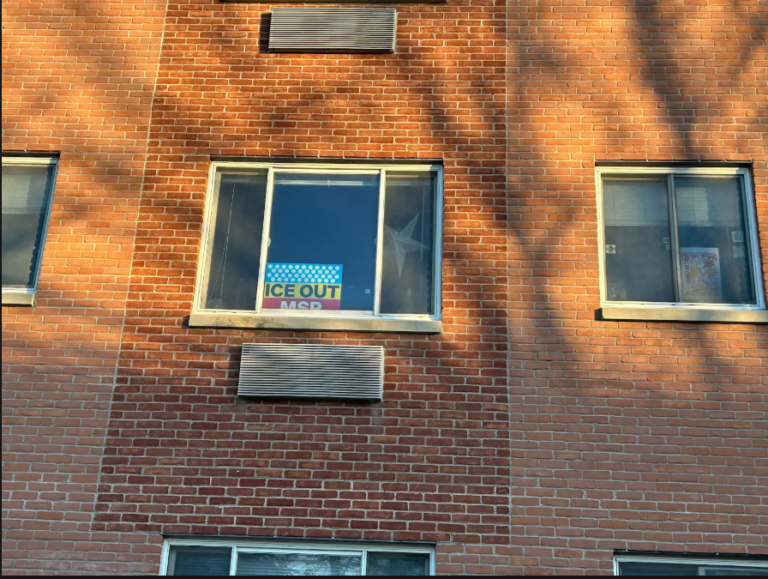
Chen and Li said the RecWell would be safe enough, but they still felt uneasy about the building’s proximity to the Graduate Hotel in Stadium Village, where students had been protesting based on rumors that Immigration and Customs Enforcement agents were staying there.
Li said several teammates, all international students, told him they were uncomfortable walking near the hotel during the first weeks of the semester.
“It just didn’t feel worth it,” Li said. “We’d rather miss one game than feel uneasy.”
Now that Operation Metro Surge has been formally ended as of Feb. 12, students are returning to the RecWell. However, they look back on that time as an added stress to those affected.
RecWell Center officials said they definitely felt the lull during the first weeks of the semester.
“We saw a new low in intramural player turnout during those first couple weeks,” said Maguire Doyle, an intramural sports coordinator and referee at the RecWell. “We have a lot of international students in our league, and it was sad to see the effect the ICE concerns had on them and on our league as a whole.”
Dominick Kellum, who said he avoided going to the RecWell during the first weeks of the semester, said the disruption was challenging for him and others who rely on the facility as a space to get away after classes to study, socialize and work out.
“The RecWell is supposed to be a place where students get a break from school life,” Kellum said. “With the risks people were talking about, a lot of students felt like they lost a piece of their everyday lives.”
Diego Aguirre, a casual lifter, said even non-team workouts felt quieter.
“You could tell some people just weren’t coming,” Aguirre said. “It wasn’t as packed.”
Several students agreed that clearer communication from university officials and emails might have eased concerns.
“Even just saying they understood why people were worried,” Chen said. “That would’ve helped.”
Following the announcement that the surge would be drawn down, Chen and Li eventually returned to intramural play. They walked into the RecWell together, backpacks over their shoulders, and warmed up on the courts as basketballs bounced around them.
“It’s nice to finally be playing again,” Li said. “It feels like things are getting back to routine.”
Chen said showing up was important.
“We didn’t want to let fear take over,” he said. “Being here and playing is one of the best parts of our week.”