USG hosts panel on Operation Metro Surge, community advocacy
City officials and UMN students gathered to discuss lessons learned from Operation Metro Surge and how to sustain community support.
We know what happened during Operation Metro Surge. But what comes next?
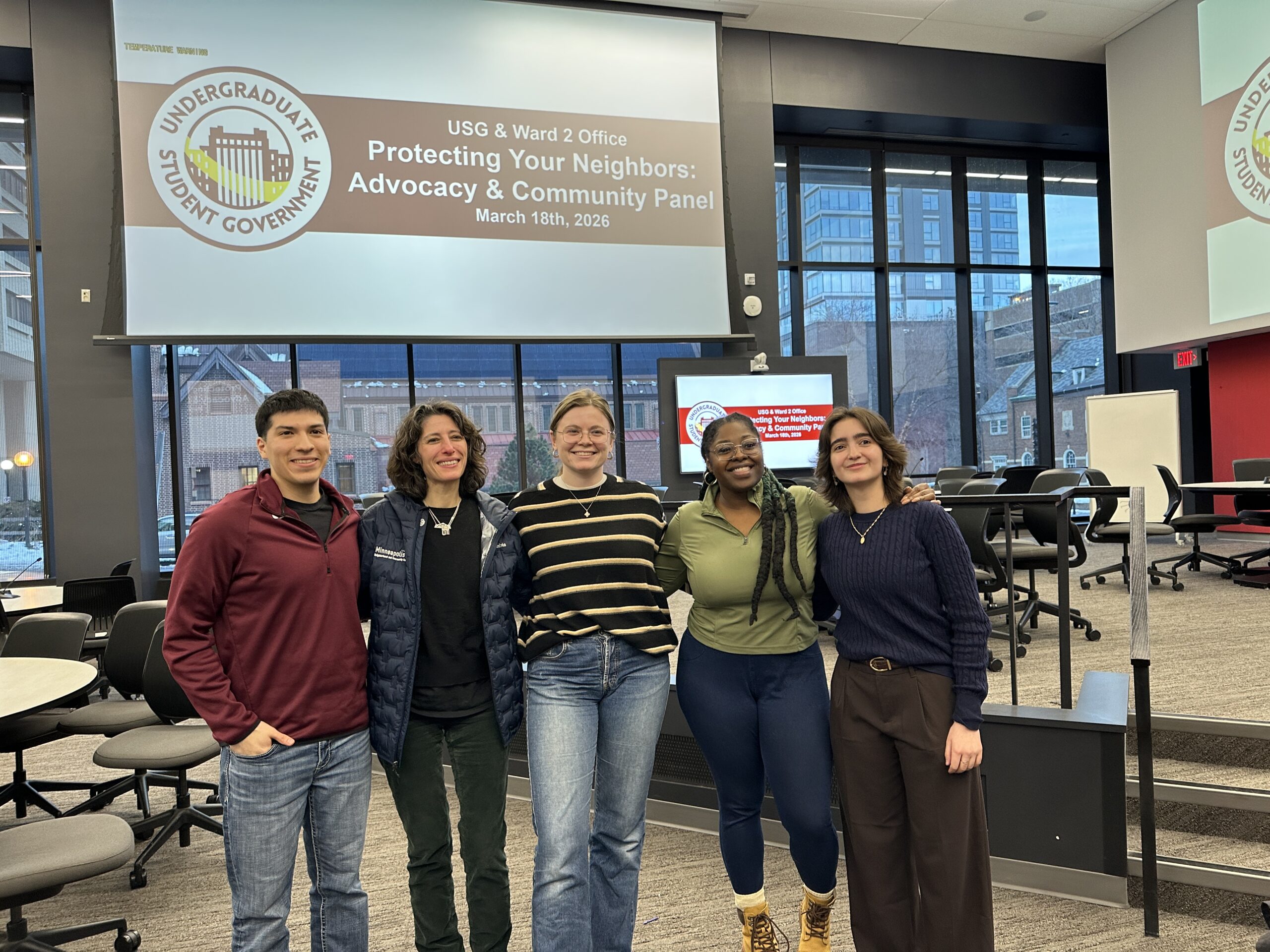
That question brought students, community activists and government officials together on the University of Minnesota campus for conversations that continued into the late evening on March 18 at the Health Sciences Education Center.
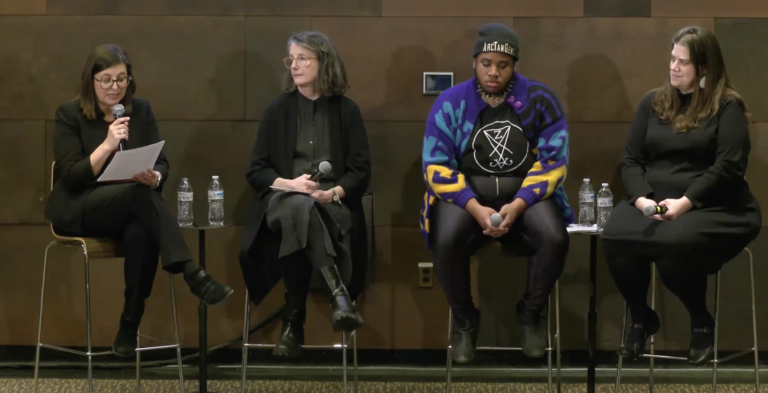
Led by the Undergraduate Student Government, the conversations went beyond reflecting on the unprecedented federal immigration crackdown. Instead, over food and open notebooks, the group of roughly 20 discussed, in a panel-style format, how Minneapolis residents, including students, can continue to help their neighbors at a local level.
One of the main topics of discussion among students and faculty was how to engage with the ongoing community advocacy that contributed to the surge being called off in late February.
More than 1,000 federal immigration and customs officers left Minnesota in March, and federal presence in the state has since dwindled into the hundreds. However, as the conversation made clear,, the work is far from over and advocacy continues for local resistance and community networks that formed during the surge.
“Operation Metro surge is not over,” Anthony Marquez, an undergraduate student, also spoke at length about the work of mutual aid networks in the Minneapolis area, as well as other campus groups that are continuing to provide resources to immigrant students.
“It’s a very important time to be connected to one another, and to make sure that you’re taking care of your well-being, but also working with your friends and people in your classes to help build that larger support network on campus,” he said.
Michelle Rivero, Minneapolis’ director of Immigrant and Refugee Affairs, emphasized the importance of participating with local organizations like Menorca and Twin Cities Immigration Forum.
“It’s valuable to go or connect, not just one time, but to show up consistently in order to learn more about what the organizations do and how to be more involved,” Rivero said.
Minneapolis City Council member Robin Wonsley agreed, saying students needed to be particularly vigilant about creating community connections and advocating for policies around eviction and closing gaps in protections of immigrants. She said connecting with organizations like the Riverside Alliance in the Cedar Riverside community and student groups demanding a sanctuary campus are other ways students can help their communities.
“Reach out to decision makers, because a lot of us are eager to hear ideas,” Wonsley said. “[Community organizers] need people to also come to places where decisions are made, where money can be allocated, to say you need to do this and put that on public record.”
Wonsley said the lack of protections for students on campus after the surge remains a critical issue that needs local advocacy, given the neutral stance University leaders have taken in recent months.
“Why hasn’t the Cunningham administration pushed to help make the University of Minnesota a sensitive location?” Wonsley asked the group during the discussion. “These are the things these groups are actively fighting for, and it can have a direct impact on your quality of life on campus.”
Panelist Kelly Rodgers, a university graduate student in history who has been actively doing mutual aid and community defense work on the West Bank over the last several months, said academic departments can transform into response networks.
Rodgers described how the history department’s small efforts to serve the immediate needs of international students has continued to grow into a much larger and supportive community on campus. Like many mutual aid collectives in Minneapolis, they are now transitioning their efforts to address issues like affordability and continued food insecurity in the wake of the surge.
Marquez, a third-year student, said the student group he is a part of, Luchadores en Marcha, a Chicano and Latino studies action network, started hosting regular “Know Your Rights” training on campus in the fall and ramped up as federal immigration presence overwhelmed Minneapolis back in January.
Marquez said these trainings were made available to students but also brought directly to them. Luchadores visited over a dozen classrooms and, as an organization, are now looking for other ways to continue organizing because collectively there is still more work to be done.
“We all live very busy lives as students and faculty, so in order to have compassion, be trained, and have the resources to combat what’s been going on these past couple of months, we went into classes and did the training sessions there,” Marquez said.